 ultimate-guide
Small Batch Manufacturing for Startups: A Guide
Table of Contents
- What Small Batch Manufacturing Means for Startups
- Why Low MOQ Manufacturing Matters When You're Starting Out
- Prototype Manufacturing for Startups: From Concept to Production Sample
- CNC Machining for Startups: Precision Without the Setup Costs
- Testing Demand and Validating Your Market
- When to Move Beyond Small Batch Production
- Frequently Asked Questions
Last Updated: October 10, 2026
What Small Batch Manufacturing Means for Startups
Small batch manufacturing for startups is the practice of producing limited quantities of a product, typically 50 to 500 units per run, without committing to the massive setup costs and long lead times of traditional mass production. It's the bridge between a prototype sitting on your desk and the full-scale factory run that would drain your cash flow before you've sold a single unit.
For founders testing a new product idea, small batch manufacturing offers something mass production can't: the ability to validate market demand with real inventory. You're not betting your entire business on a single design. You're making enough units to gather real customer feedback, test your supply chain, and refine your product before scaling.
The core appeal is risk reduction. A small batch production run lets you prove the market wants what you're building without overcommitting capital. According to the Small Business Administration's startup guidance, one of the highest-risk decisions a founder makes is inventory planning, ordering too much ties up cash, ordering too little means missed sales.
Why Low MOQ Manufacturing Matters When You're Starting Out
Low minimum order quantity (MOQ) manufacturing is what makes small batch production possible. Most traditional manufacturers require MOQs of 1,000 to 5,000 units per order, a commitment that can cost tens of thousands of dollars before you've validated a single customer.
The difference is operational. Traditional factories optimize for volume and speed. Their setup costs, retooling machines, preparing materials, training line workers, are fixed regardless of batch size. Spreading those costs across 5,000 units makes sense. Spreading them across 100 units doesn't, which is why they impose high minimums.
For a startup, this changes everything. You can test three different product variations with 100 units each instead of committing to 1,000 of one design. You can enter a market with 200 units, sell through in 60 days, and reorder with improvements based on customer feedback. You're not locked into a design you haven't tested. You're not sitting on inventory that ties up capital.
Prototype Manufacturing for Startups: From Concept to Production Sample
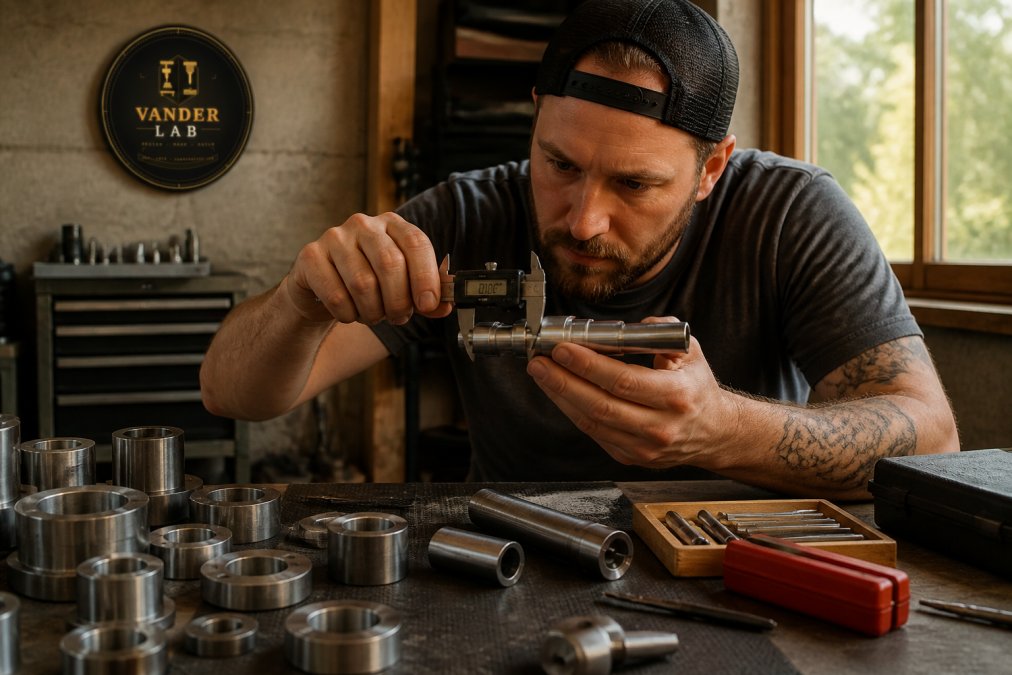
Prototype manufacturing for startups bridges the gap between a concept and a production-ready part. This is where precision matters most, a prototype that looks close to finished but falls apart under real-world use will torpedo your market validation. A prototype that works exactly like the final product will give you honest feedback from early customers.
The journey typically moves through three stages. First is the functional prototype: a working version of your core idea, often built by hand or with rapid prototyping tools like 3D printing. This proves the concept is physically possible. Second is the design refinement phase, where you iterate on materials, tolerances, assembly methods, and manufacturability based on how the functional prototype performs.
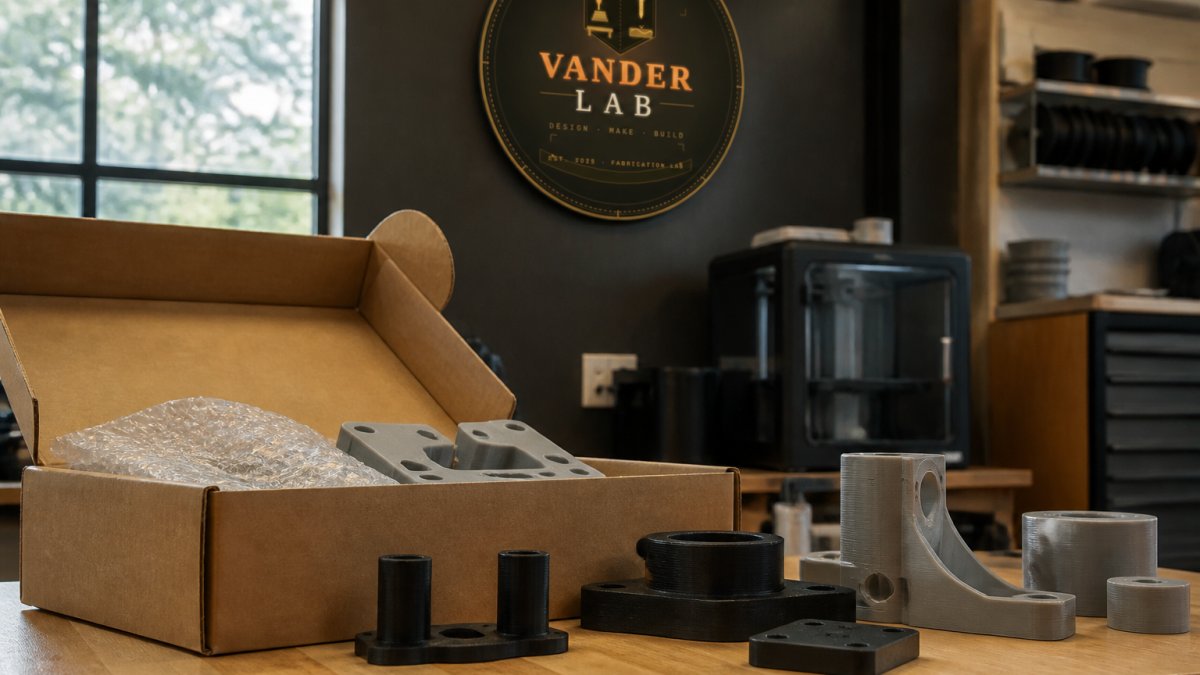
Most startups underestimate the importance of the production sample. A 3D-printed prototype might work perfectly, but the production sample made with your actual manufacturing process reveals problems a prototype never would: dimensional drift, material brittleness, surface finish inconsistencies, assembly challenges. Catching these before you commit to 500 units is the entire point.
Design Refinement and Tech Pack Preparation
Design refinement is where most startups struggle because it requires collaboration between your vision and manufacturing reality. Your designer might specify tolerances that are possible but expensive, or material combinations that don't work well together. A good manufacturing partner will flag these early and suggest practical alternatives that preserve your product's core function without inflating costs.
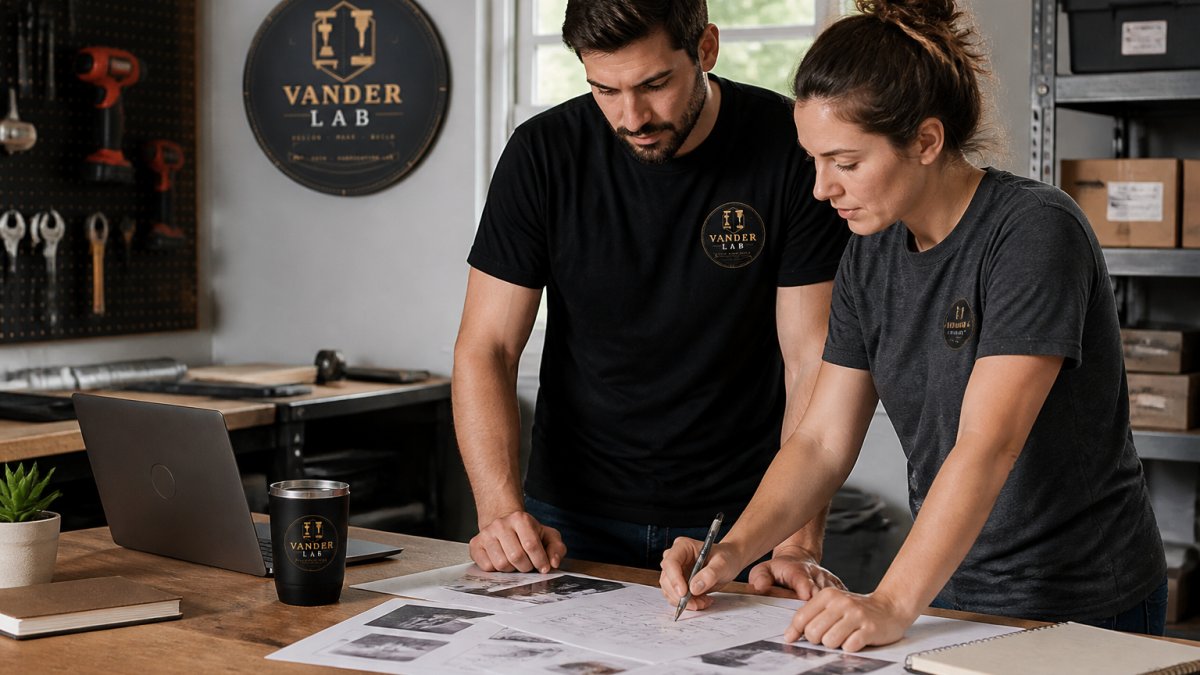
A tech pack is your instruction manual for manufacturing. It's a detailed document containing your product specifications, materials, dimensions with tolerances, assembly instructions, quality standards, and finish requirements. Think of it as the complete blueprint a manufacturer needs to build your product consistently, every time. Without a clear tech pack, you'll get variation between batches. With one, you get consistency.
The tech pack doesn't need to be fancy, it can be sketches, photos with measurements, written descriptions, or a combination. What matters is that every critical detail is documented. If your product has threads, specify the thread type and tolerance. If it needs to fit inside a box, specify the maximum dimensions.
Finding Your Manufacturing Partner
Finding the right manufacturer is part detective work, part negotiation. Start by identifying what type of manufacturing your product needs. Is it CNC machining? Laser cutting? 3D printing? Hand assembly? Understanding your process helps you narrow the search.
Look for manufacturers who explicitly work with startups and small batches. Many have dedicated startup programs or published low MOQs on their websites. Check for manufacturers who've worked in your industry, someone experienced with consumer goods will understand your quality standards and market timelines better than a job shop that's built industrial components for 20 years.
When you contact potential partners, come prepared with your tech pack, your target batch size, and your timeline. Ask about their lead times, their quality control process, their experience with similar products, and their reorder pricing. If they just quote a price without understanding your needs, keep looking. Get a custom quote from a partner who understands small batch work and can walk you through the process one project at a time.
Managing Lead Times and Production Capacity
Lead time is the elapsed time from when you place an order to when finished units arrive at your door. For small batch production, expect 3 to 8 weeks depending on the manufacturing method and complexity. CNC machining and custom assembly typically run longer than 3D printing. Overseas manufacturers often have longer lead times than domestic ones, but lower per-unit costs.
Production capacity is the constraint you'll hit as you grow. A manufacturer who can handle 200 units this month might be fully booked three months from now. When you're evaluating partners, ask about their typical capacity and their ability to accommodate growth. If your product gains traction and you need 1,000 units instead of 200, can they scale with you? Will they prioritize your reorder or push it back? This matters more than you'd think.
CNC Machining for Startups: Precision Without the Setup Costs
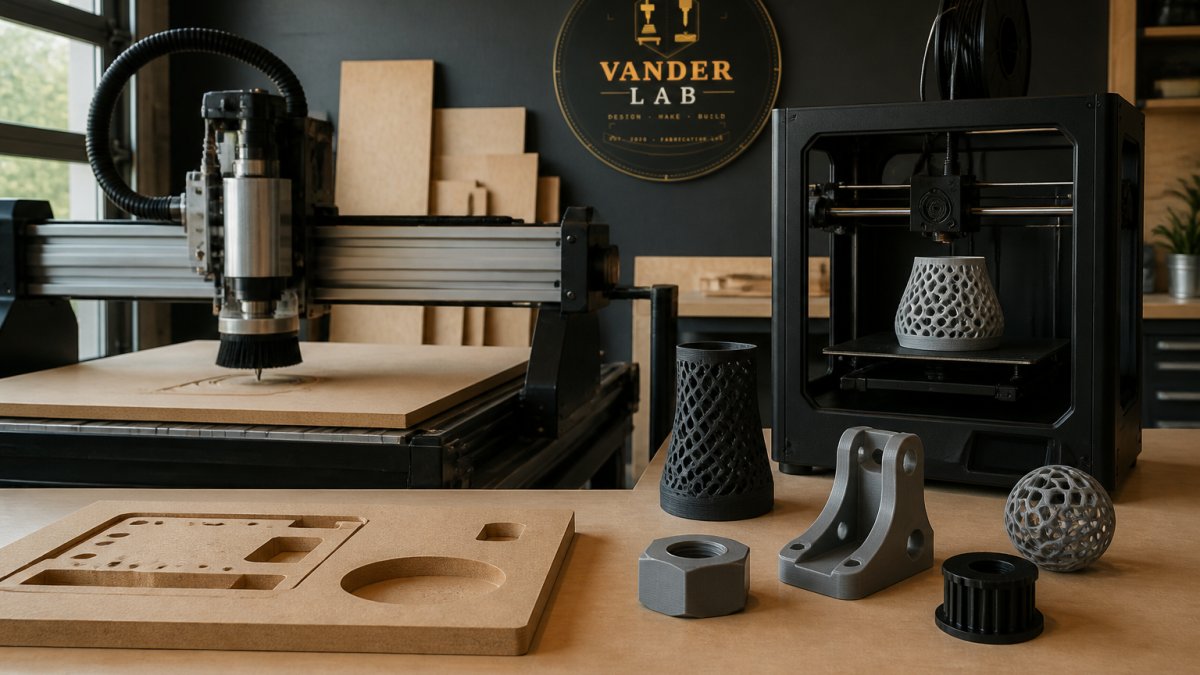
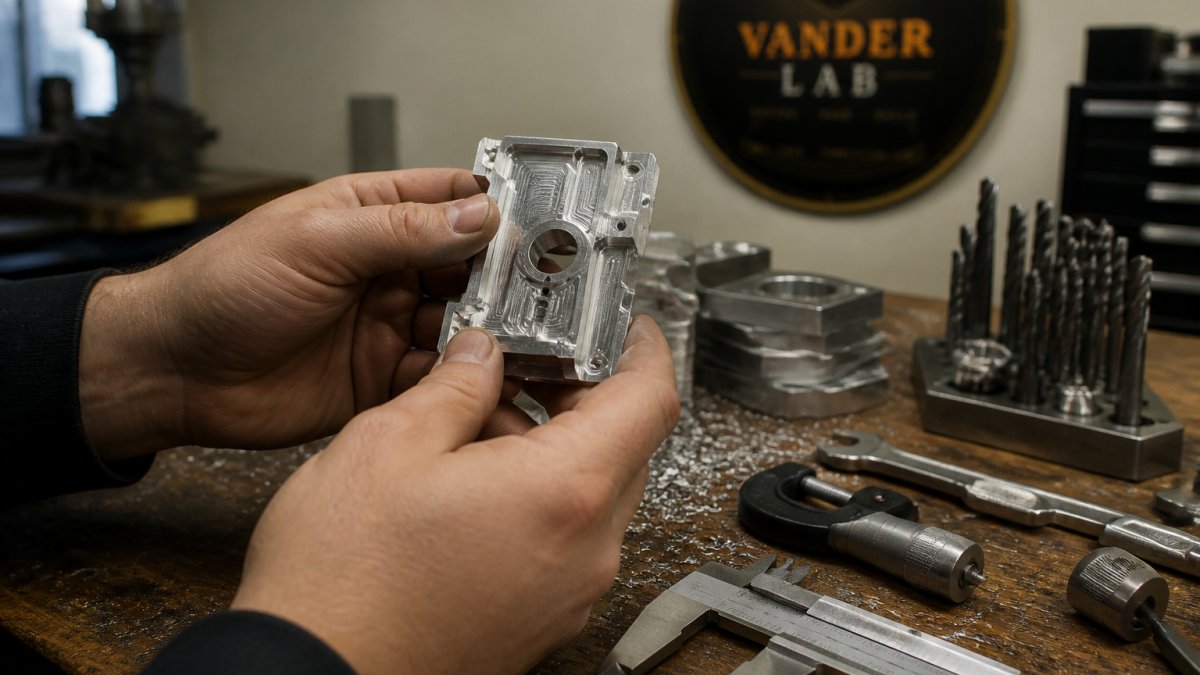
CNC machining for startups has become dramatically more accessible in the last five years. A decade ago, CNC work was expensive and required high volumes to justify the setup. Today, shops equipped with modern CNC routers, mills, and lathes can handle small batches profitably because they've optimized their operations around exactly this use case.
CNC machining works well for startups building products from metal, wood, or rigid plastics. The process is subtractive, you start with a block of material and remove what you don't need. This means you can achieve tight tolerances and precise dimensions that are difficult or impossible with other methods.
The setup cost for CNC work is lower than injection molding or other high-volume processes, but it's not zero. A manufacturer will charge you for CAD file preparation, toolpath programming, and machine setup. These costs are fixed per design, not per unit.
For a startup, this means your first small batch will have a higher per-unit cost than your second batch, even if you use the same manufacturer. Plan for this.
Testing Demand and Validating Your Market
Small batch manufacturing exists primarily to answer one question: does the market actually want this? Before you commit to large-scale production, you need real evidence that customers will buy.
The validation process is straightforward. Make your first small batch. Sell it. Track what sells, what doesn't, what customers ask for, what they complain about. Use this data to decide whether to reorder, iterate, or pivot. Many startups go through 2 to 4 small batches before they're confident enough to commit to larger production runs. Each batch teaches you something.
Common validation mistakes: launching with too many product variations, assuming feedback from friends and family reflects real market demand, and not tracking which products sell and which sit. When you manufacture in small batches, you have the luxury of being wrong without it being catastrophic. Use that advantage. Test aggressively. Iterate based on data.
When to Move Beyond Small Batch Production
At some point, your small batch approach will hit its limits. You'll be reordering frequently, your per-unit costs will plateau, and the time spent coordinating small runs will become a distraction from growing the business.
The transition typically happens when one of three things occurs: you've validated strong, consistent demand across multiple batches; your per-unit costs have stopped improving with small batches; or you've identified a larger manufacturer who can handle your volume at better economics.
When you do scale, the lessons from small batch manufacturing carry forward. You'll have a refined design, a proven manufacturing process, and real data about what customers want.
Small batch manufacturing for startups isn't just a stepping stone to "real" production, it's a complete business model. You can also browse our Ebay Shop to see examples of precision work and custom pieces we've built.
| Stage | Purpose | Typical Batch Size | Lead Time |
|---|---|---|---|
| Functional Prototype | Prove the concept works | 1-5 units | 2-4 weeks |
| Design Refinement | Optimize for manufacturability | 5-20 units | 2-6 weeks |
| Production Sample | Validate manufacturing process | 10-50 units | 3-8 weeks |
| Small Batch Run | Market validation and sales | 50-500 units | 4-10 weeks |
| Scale Production | Full market launch | 1,000+ units | 6-12 weeks |
Frequently Asked Questions
What is considered small batch manufacturing?
Small batch manufacturing produces limited quantities of a product, typically ranging from dozens to thousands of units per run. Unlike mass production, small batches allow startups to test market demand, refine designs, and manage inventory risk without committing to large volumes. This approach is ideal for entrepreneurs validating product concepts before scaling.
How does small batch manufacturing help startups reduce financial risk?
Small batch production limits upfront inventory investment. Instead of manufacturing 50,000 units and hoping to sell them, a startup might produce 500 units, measure customer response, and refine the product based on real feedback. This approach preserves cash flow, reduces the risk of unsold inventory, and allows founders to adjust designs or materials based on actual market response before committing larger capital.
What should a startup prepare before requesting a manufacturing quote?
Have a clear design or prototype ready, even if rough. Prepare a tech pack with product specifications, material requirements, desired batch size, and timeline. Gather reference images or samples if available. Know your target quality standards and any regulatory requirements for your product category. The more detailed your brief, the more accurate the quote and the smoother the production handoff.
How do I choose between domestic and overseas small batch manufacturers?
Domestic manufacturers typically offer shorter lead times, easier communication, and Made in USA positioning. Overseas options may offer lower per-unit costs but longer lead times and more complex logistics. For startups, domestic small batch manufacturers are often worth the investment because they reduce risk, allow faster iteration, and simplify quality control and intellectual property protection.
When should a startup move from small batch production to larger manufacturing runs?
Scale when you have consistent sell-through, proven demand, and cash flow to support larger inventory. Track metrics like reorder rate, customer feedback, and production costs. Once per-unit costs justify larger volumes and demand is predictable, moving to bigger batches makes sense. Many successful startups spend 6-12 months in small batch mode before scaling.
What is the advantage of CNC machining for startup product development?
CNC machining delivers precision, tight tolerances, and repeatability without high setup costs for small runs. CNC doesn't require expensive tooling, making it ideal for startups testing metal or wood-based products. You can produce functional prototypes and small batches from CAD files, refine designs quickly, and scale to larger runs once demand is validated.