 comparison
Is Custom CNC Signage Worth the Investment
Table of Contents
- What Custom CNC Signage Offers That Standard Signs Don't
- CNC Sign Materials: Choosing What Works for Your Space
- CNC Signage Durability: How Long Your Investment Lasts
- Custom Address Signs and Beyond: Real-World Applications
- Comparing Custom CNC Signage to Ready-Made Alternatives
- The True Cost of Custom CNC Signage
- When Custom CNC Signage Makes Sense
- Conclusion: Making the Investment Decision
- Frequently Asked Questions
Last Updated: October 8, 2026
What Custom CNC Signage Offers That Standard Signs Don't
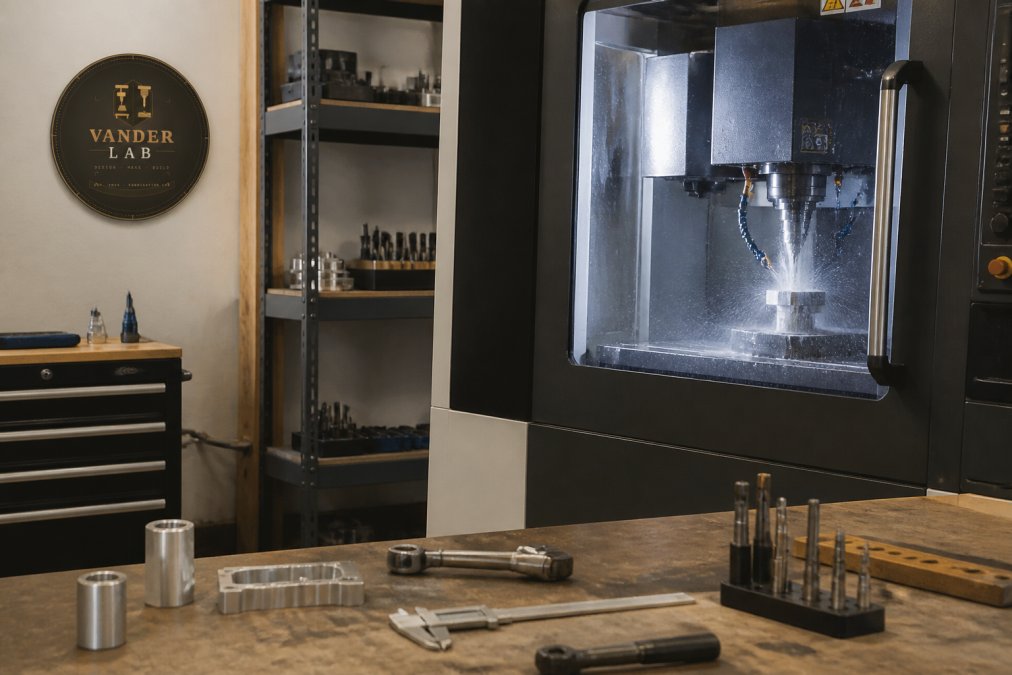
Custom CNC signage means precision-cut pieces built to your exact specifications. Unlike catalog signs, CNC-routed signs are cut with tight tolerances on equipment designed for accuracy, the difference between a generic storefront placard and a hand-finished address sign that reflects who you are.
The core advantage is flexibility. A CNC router cuts intricate shapes, curves, and details that traditional methods struggle with. At VanderLab, we've built custom signs from rough sketches and photos, turning ideas into finished pieces that feel intentional rather than off-the-shelf.
This precision also means repeatability. Need ten matching address signs or fifty trophies? A CNC machine produces each one identically, no hand-carving variation, no guesswork. The first piece and the fiftieth match exactly.
Material versatility matters too. CNC routers work with a wide range of materials, so you can choose what fits your space. The machine cuts clean edges and handles detail work that would take hours by hand.
CNC Sign Materials: Choosing What Works for Your Space
The material you choose shapes how your sign looks, performs, and ages. Each option has different strengths depending on indoor or outdoor placement, weather exposure, and the aesthetic you're after.
Wood is the classic choice. It's warm, takes hand-finishing well, and suits rustic or refined designs, with CNC routing creating clean edges and layered effects. The trade-off: outdoor wood needs regular sealing or painting to prevent rot. Indoor wood is more forgiving but still benefits from a protective finish.
Metal delivers durability and a professional look. Metal resists weather, doesn't rot, and lasts decades with minimal maintenance. It's heavier, which affects installation, and conducts heat and cold in extreme climates.
The real choice comes down to environment and timeline. Humid or wet climates need metal or sealed wood. Indoor signs can be acrylic or unsealed wood. Temporary installations favor lightweight acrylic; permanent fixtures benefit from metal's longevity.
CNC Signage Durability: How Long Your Investment Lasts
How long a custom CNC sign lasts depends entirely on material choice and maintenance. A well-made sign can outlast the building it's mounted on, or fade in a few years if the wrong material meets the wrong environment.
Wood signs with proper finishing last 10-15 years outdoors, longer indoors. Maintenance is key: exterior-grade polyurethane or paint holds up better than unfinished wood, and resealing every 3-5 years keeps it protected. That's not a flaw, it's the cost of wood's warmth and character.
Metal signs are the durability champions. Aluminum resists corrosion and lasts 20+ years with minimal care; powder-coated metal lasts even longer. Bare steel rusts without protection, but painted or coated steel performs well. Choose metal if longevity matters more than aesthetics.
The durability question really asks how much maintenance you'll do. Wood is beautiful but demands attention. Metal is set-it-and-forget-it. Acrylic is fine for protected spaces but risky in full sun. Understanding that trade-off helps you pick a material you'll actually keep up with.
Custom Address Signs and Beyond: Real-World Applications
Custom CNC signage started with address numbers and house names, but the technology opens doors to dozens of uses. Precision and material flexibility mean you can build signs for nearly any purpose.
Address signs are the obvious starting point. A custom-routed wooden address sign says something a plastic number plate never will, it marks your entry with intention. We've created address signs for new homes, relocating businesses, and families marking milestones, each hand-finished and built to last.
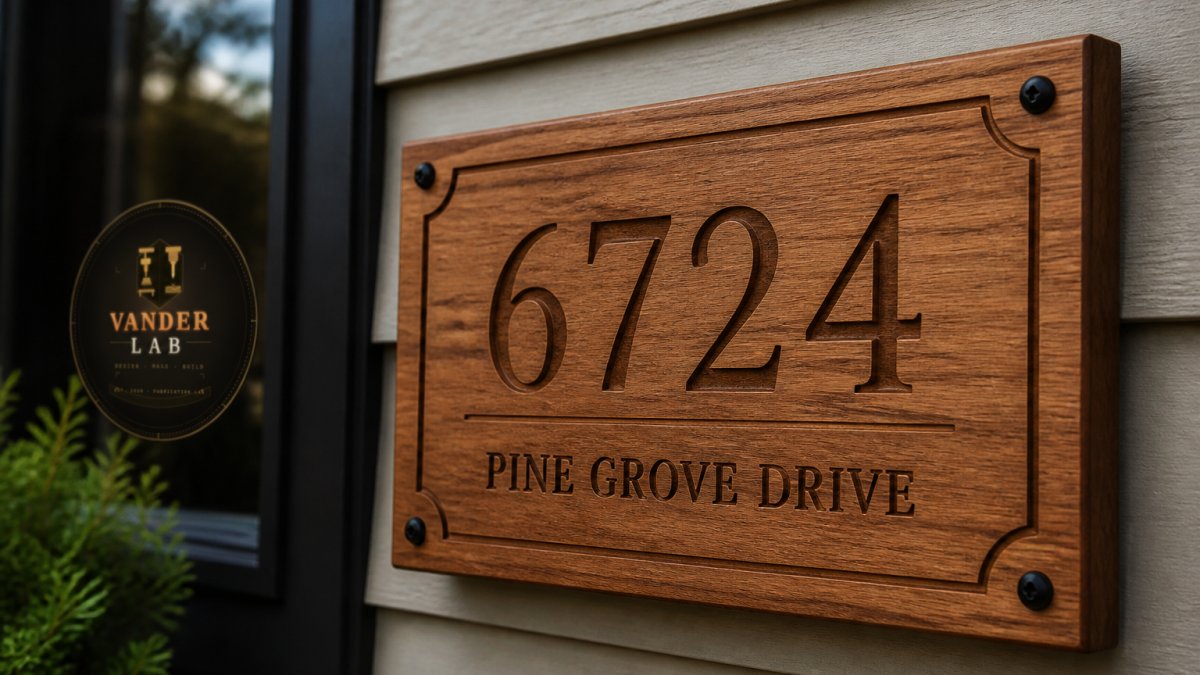
Beyond addresses, custom signage works for retail displays, event branding, and organizational identity. A coffee shop can have a routed wooden menu board matching its aesthetic. A nonprofit can commission metal entrance signage. A school can produce batch-made trophies with precision engraving.
Personalized keepsakes are another strong application. A custom-engraved wooden plaque for a retirement, a routed acrylic anniversary piece, or a metal sign for a family business, these carry meaning mass-produced alternatives can't match.
The throughline is customization. CNC signage makes sense wherever you want precision, repeatability, or a personal touch. It's made for your specific need.
Comparing Custom CNC Signage to Ready-Made Alternatives
Ready-made signs are fast and cheap. A plastic address plaque ordered online arrives in days, and a generic big-box wooden sign costs less than half a custom piece. If your only goal is marking an address or filling wall space, ready-made works.
But ready-made comes with compromises: fixed design, thin or low-grade materials, generic finish. If your house has character, a mass-produced sign feels out of place. If you want something that reflects who you are, ready-made doesn't deliver.
Custom CNC signage costs more upfront but delivers specificity. You choose the material, design, size, and finish. An address sign can be routed to match your home's architecture. A business sign can incorporate your logo. A keepsake can be engraved with names, dates, or messages that matter.
Durability shifts the math too. A cheap plastic sign might need replacing in 3-5 years; a properly maintained custom wood or metal sign lasts 10-20 years or longer. Over time, the per-year cost of a durable custom piece can be lower than repeatedly replacing cheap alternatives.
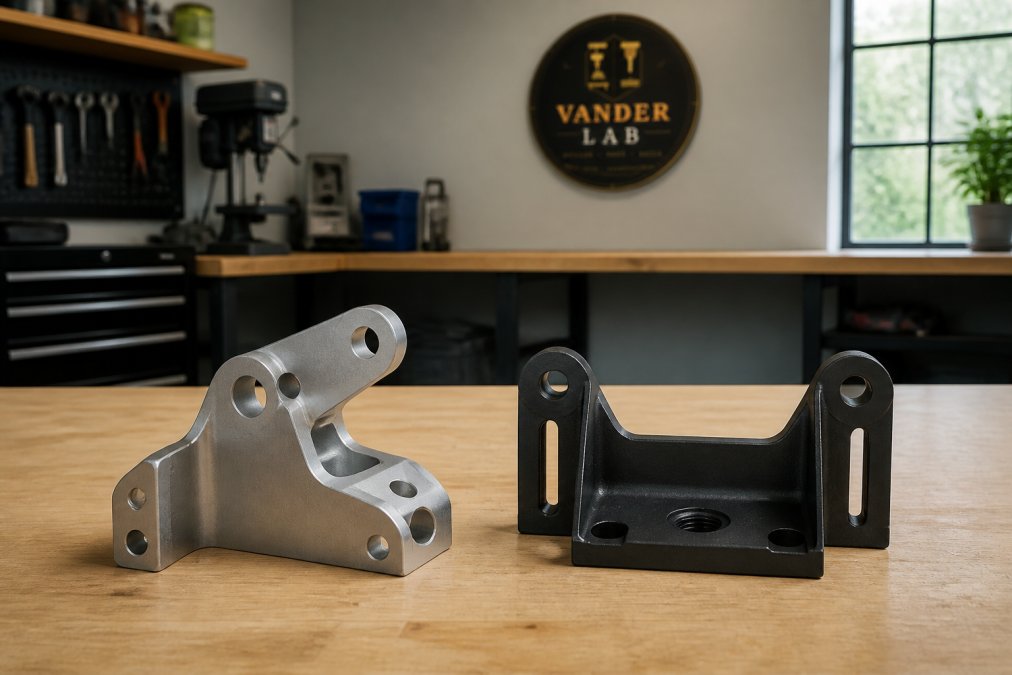
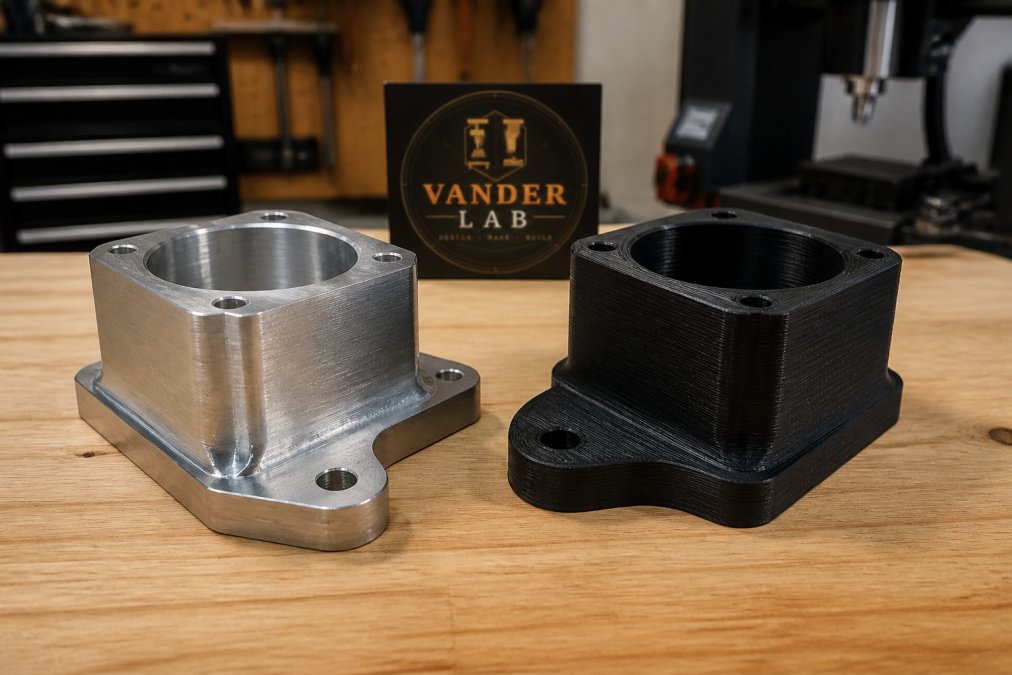
| Aspect | Ready-Made Signs | Custom CNC Signage |
|---|---|---|
| Design Options | Fixed templates | Unlimited customization |
| Material Quality | Often thin or generic | Premium wood, metal, acrylic |
| Precision | Standard cuts | Tight tolerances, hand-finished |
| Durability | 3-5 years typical | 10-20+ years with care |
| Turnaround | Days to weeks | Weeks to months |
| Uniqueness | Mass-produced feel | One-of-a-kind or small-batch |
| Maintenance | Minimal | Varies by material |
The trade-off is clear: ready-made is faster and cheaper upfront. Custom is more expensive initially but delivers durability, precision, and a personal touch that lasts.
The True Cost of Custom CNC Signage
Understanding what custom CNC signage actually costs requires looking beyond the sticker price. Material, design complexity, size, and finishing all factor in. So does whether you're ordering one piece or a production run.
A simple wooden address sign, routed with house numbers and hand-finished, typically costs more than a ready-made plastic plaque but less than a full custom logo design.
Larger or more complex designs cost more. A business sign with a routed logo, multiple materials, or intricate detail requires more design time, machine time, and finishing.
Production runs change the equation. Need fifty matching trophies or ten address signs for a development? The per-unit cost drops significantly. Design and setup happen once; the machine repeats the cut fifty times.
Finishing adds cost and time. A raw routed sign costs less than one sealed, painted, or hand-finished with stain and polyurethane, but finishing determines durability, especially outdoors.
Turnaround time matters too. A rush order costs more; a standard timeline is more affordable. Need a sign in two weeks and expect a premium. Can wait four to six weeks and pricing is more reasonable.
The honest answer: custom CNC signage is an investment in quality, durability, and personalization. For a one-time address sign, you're paying for craftsmanship and materials.
When Custom CNC Signage Makes Sense
Custom CNC signage is worth the investment in specific situations. It's not right for every sign need, but when conditions align, it delivers value ready-made alternatives can't match.
New homes and moves are ideal moments. You're already investing in the space, and a custom address sign or welcome-home piece marks the transition with intention.
Businesses and organizations benefit when identity matters. A coffee shop, local nonprofit, or family business has character, and a custom sign reflecting it is worth more than a generic storefront plaque.
Milestone moments like anniversaries, retirements, or event commemorations call for custom pieces. You're not replacing a sign every few years. You're creating something that marks a specific moment.
Production runs for schools, events, or organizations shift the economics. Need fifty trophies or ten matching signs?
Outdoor durability matters if your sign faces weather. Tired of replacing cheap signs every few years? A custom metal or sealed wood sign lasting 15-20 years becomes cost-effective, higher upfront, lower long-term.
Aesthetic fit is the final factor. If your space has character, a historic home, a modern office, a rustic cabin, a generic sign looks wrong.
The pattern is clear: custom CNC signage makes sense when the sign carries meaning, durability matters, or your space deserves precision over convenience.
Conclusion: Making the Investment Decision
Custom CNC signage asks a straightforward question: are you buying a sign or building a keepsake?
If you need a sign fast and cheap, ready-made wins. If you want precision, durability, and a piece that reflects who you are or what your business stands for, custom CNC signage delivers. Wood, acrylic, and metal let you build for your environment. Precision means tight tolerances and hand-finished details that last. Customization means no two pieces are identical.
At VanderLab, we build custom signage, personalized keepsakes, and production runs from concept to finished piece. Whether you're marking a new address, creating event trophies, or building something for your business, we work from sketches, photos, or rough ideas to deliver pieces built to spec and built to last. Local pickup available; shipping nationwide.
The investment in custom CNC signage makes sense when durability, precision, and personalization matter more than convenience. That's when you're not just buying a sign, you're building something worth keeping.
Ready to explore what custom signage could look like for your space? Get a custom quote from VanderLab to discuss your project, timeline, and vision. Or browse our work on eBay shop to see examples of what we've built for others.
Frequently Asked Questions
What makes custom CNC signage different from a standard sign?
Custom CNC signage is cut with precision machinery that follows exact design specifications, creating sharp edges, intricate details, and consistent repeatability that hand-cut or mass-produced signs cannot match. CNC routing allows for complex shapes, tight tolerances, and design flexibility, whether you need curved lettering, layered elements, or material combinations. Standard signs are typically flat stock with basic shapes, offering less personalization and design control. The precision also means tighter tolerances and hand-finished details that give each piece intentional character.
How long do custom CNC signs last outdoors?
CNC signage durability depends heavily on material choice and finish. Wood signs with proper sealing and outdoor-grade finishes can last for years. Metal signs often last for many years, especially when powder-coated or sealed. Regular maintenance, cleaning, resealing, and checking for weathering, extends lifespan significantly. UV exposure, moisture, and temperature swings are the primary factors affecting longevity, so material selection and finish quality matter as much as the cutting precision.
Are CNC-cut signs suitable for outdoor use?
Yes, CNC-cut signs are excellent for outdoor use when made from appropriate materials and finished correctly. Wood and metal materials can all be CNC-routed and sealed for outdoor performance. The precision cutting actually improves durability by creating clean edges that seal better and resist water infiltration. The key is selecting materials rated for outdoor exposure and applying finishes designed for UV and and moisture protection. CNC routing's tight tolerances mean fewer gaps and weak points where weather can cause damage, making custom CNC signage a solid choice for exterior applications.
What should you ask a sign maker before ordering custom CNC signage?
Ask about material options and which performs best for your environment. Confirm the finishing process, sealing, painting, or coating, and how it affects durability. Discuss design revision policies in case you need adjustments before production. Ask about lead time and whether rush orders are available. Clarify installation requirements and whether the maker offers guidance or installation services. Request examples of similar projects and ask how they've held up over time. Finally, understand the quote breakdown so you know what factors affect cost and can make informed choices about design, material, and finish options.
When is custom CNC signage worth choosing over a ready-made sign?
Custom CNC signage makes sense when you need a specific design, exact dimensions, or material that ready-made options don't offer. If your space has unique architectural features, a particular aesthetic, or branding requirements, custom work delivers precision and intentionality that stock signs cannot match. For businesses wanting to stand out, custom signage reflects care and attention to detail that customers notice. For personal projects, address signs, milestone pieces, or keepsakes, custom CNC work transforms a generic item into something made for your space, built to last. When durability, design specificity, or personal meaning matter more than cost alone, the investment in custom signage pays dividends.