 comparison
Is Powder Coating Worth It for Custom Metal Furniture
Last Updated: October 23, 2026
Quick Summary
Yes, is powder coating worth it for custom metal furniture if your piece will face outdoor exposure, heavy use, or years of service without refinishing. The finish is durable, uniform, and lasts 10-15+ years with minimal maintenance, though it costs more upfront and is harder to repair than paint.
- Powder coating resists scratches, chips, and fading better than traditional paint in outdoor and high-traffic settings.
- Upfront cost is higher than paint, but long-term value often justifies the investment over a decade or longer.
- The finish is difficult to repair; damage typically requires stripping and recoating a large section or entire piece.
- Powder coating requires specialized equipment and outsourcing to a finisher, adding lead time compared to on-site painting.
- For one-of-a-kind custom pieces meant to last, powder coating protects your investment and keeps it looking intentional and well-made.
Table of Contents
- What Powder Coating Is and How It Works
- Powder Coating vs Paint for Metal Furniture
- Powder Coating Durability on Metal Furniture
- Powder Coating Problems and Disadvantages
- Cost Considerations: Upfront vs Long-Term Value
- How to Maintain Powder-Coated Metal Furniture
- Is Powder Coating Worth It? The Verdict
- Frequently Asked Questions
What Powder Coating Is and How It Works
Powder coating is a dry finishing process where finely ground particles of pigment and resin are applied electrostatically to a metal surface, then cured in an oven to create a protective shell, and whether is powder coating worth it for custom metal furniture depends on your durability needs and budget.
The process begins with surface preparation, cleaning and sometimes lightly abrading the metal to remove oils, rust, and old finishes. The prepared piece enters a spray booth where an electrostatic gun charges the powder particles, causing them to adhere to the grounded metal surface. This electrostatic attraction ensures even coverage with minimal waste.
This method works on steel, aluminum, wrought iron, and other metals commonly used in custom furniture frames and bases. The result is a smooth, consistent finish available in virtually any color or texture, from high-gloss to matte, metallic to textured surfaces.
Powder Coating vs Paint for Metal Furniture
The choice between powder coating and traditional paint comes down to durability, appearance, and long-term maintenance. Both protect metal from rust and corrosion, but they achieve this in fundamentally different ways.
Traditional paint is a liquid that dries as solvents evaporate. It's easier to touch up later, you can blend new paint into an existing finish without obvious seams. Paint also offers more flexibility for custom mixing and quick application on-site. For furniture that may need repairs or refinishing down the road, paint's repairability is a genuine advantage.
Powder coating, by contrast, creates a harder, more uniform finish that resists scratches and chips better than most paints. According to BFM Seating's analysis of powder coating performance, the finish resists scratches, chips, and fading even in busy commercial settings.
The trade-off is that powder coating is harder to touch up. If a piece gets scratched or damaged, repairing it typically requires stripping and recoating the entire item or a large section of it, you can't easily blend a small patch.
Powder Coating Durability on Metal Furniture
When metal furniture faces outdoor elements, UV exposure, temperature swings, and physical wear, a protective finish makes the difference between a piece that looks good for decades and one that fades, rusts, or deteriorates within a few years. Powder coating excels in these conditions because the cured finish is inherently harder and more chemically resistant than most paints.
Scratch and Chip Resistance
Powder-coated finishes resist scratching and chipping better than traditional paint because the cured coating is thicker and more densely bonded to the metal. The thermoset resin used in powder coating creates a cross-linked polymer network that's less prone to surface damage from normal handling, furniture rearrangement, or contact with outdoor elements.
That said, no finish is completely scratch-proof. Heavy impact, dragging, or abrasion can still damage a powder-coated surface. The difference is that minor scratches and scuffs are less likely, and when damage does occur, it's often more localized rather than the kind of general dulling that happens to painted surfaces over time.
Weather and Corrosion Resistance
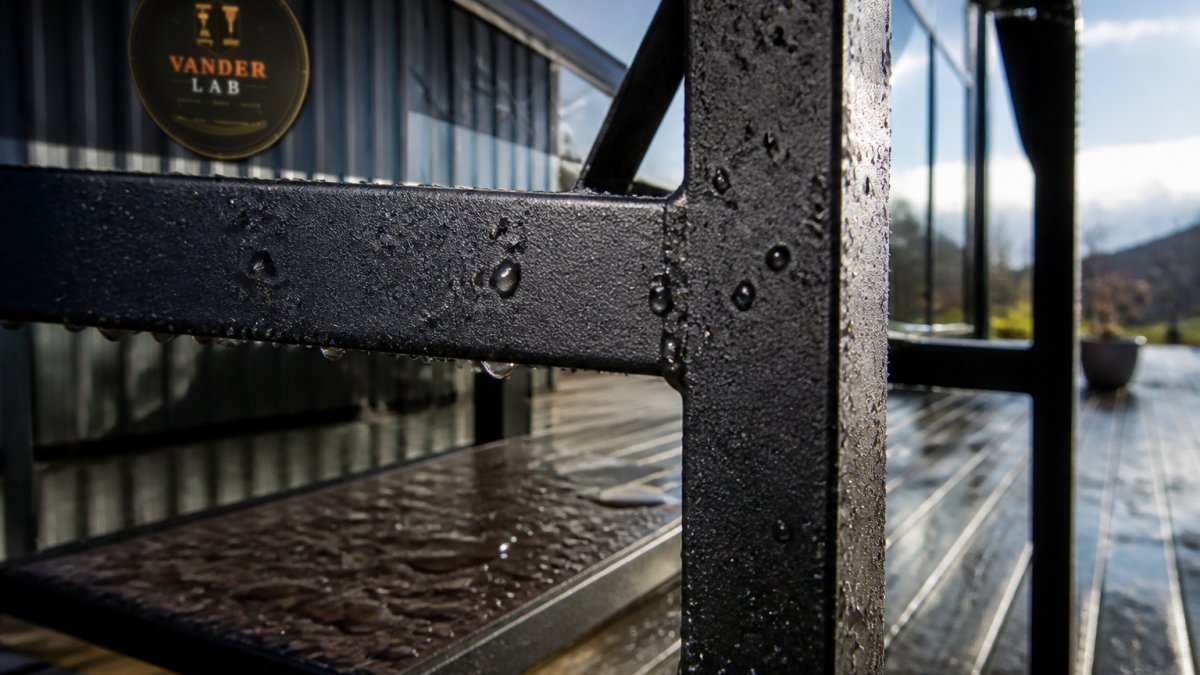
Outdoor metal furniture faces constant assault from moisture, salt air (if coastal), temperature fluctuations, and UV radiation. Powder coating provides a physical barrier that keeps water and corrosive elements away from the underlying metal. Because the coating is continuous and non-porous when properly cured, it's far more effective at preventing rust than paint, which can crack, peel, or allow moisture to seep underneath.
For aluminum frames and bases, powder coating prevents oxidation and discoloration. For steel, it stops rust before it starts. For wrought iron, the coating protects against both rust and the kind of surface degradation that occurs when bare iron is exposed to moisture and air.
The durability varies based on the coating thickness, the resin system used, and the environment. Pieces in mild climates last longer than those in harsh coastal or industrial settings. But across most residential and light commercial outdoor environments, a properly applied powder-coated finish on metal furniture can remain protective and attractive for many years with minimal maintenance.
Powder Coating Problems and Disadvantages
Powder coating isn't perfect for every application or budget scenario. Understanding its limitations helps you make an informed decision about whether it's worth the investment for your custom metal furniture.
Limited repairability. Once powder-coated, the finish is durable but difficult to repair. A scratch, dent, or impact damage can't be easily touched up like paint.
Higher upfront cost. According to Sundial Powder Coating's cost analysis, the initial cost of powder coating is higher than liquid painting.
Setup and minimum requirements. Powder coating requires specialized equipment and a controlled environment. Many small fabrication shops or custom builders can't offer it in-house, meaning you need to outsource the work.
Material limitations. Not all materials can be powder-coated. Plastics, certain composites, and delicate finishes can't withstand the heat of the curing oven.
Aesthetic constraints. While powder coating offers many colors and textures, it can't replicate certain finishes like high-gloss lacquer or specialized metallic effects as easily as liquid paint.
Cost Considerations: Upfront vs Long-Term Value
The decision to powder-coat custom metal furniture often hinges on cost. Yes, it costs more upfront than painting. But the long-term value depends on how long you need the piece to last and how much maintenance you're willing to do.
Powder coating's durability means fewer touch-ups, refinishing cycles, and replacement costs over the life of the furniture. A powder-coated outdoor table or set of metal chairs might last 10-15 years with minimal maintenance. A painted alternative might require repainting every 3-5 years to maintain appearance and protection.
When you factor in the labor and material cost of repainting every few years, powder coating can become the more economical choice over a decade or longer. The global metallic powder coating market reflects this trend, according to Fortune Business Insights' market forecast, the market is valued at approximately 3.90 billion USD in 2026 and is projected to reach 7.61 billion USD by 2034, growing at a reported CAGR of 8.71%.
For custom metal furniture, the calculation is personal. If you're building a one-of-a-kind piece meant to last decades, powder coating makes sense.
You can get a custom quote for your specific project to compare powder coating costs against alternatives. The quote will factor in material type, piece complexity, quantity, and lead time, giving you a concrete basis for the decision.
| Finishing Method | Upfront Cost | Durability | Repairability | Best For |
|---|---|---|---|---|
| Powder Coating | Higher | 10-15+ years | Difficult | Outdoor furniture, high-traffic use, long-term durability |
| Traditional Paint | Lower | 3-5 years | Easy | Indoor furniture, short-term installations, frequent refinishing |
| Bare Metal (sealed) | Low | 1-3 years | Easy | Temporary pieces, industrial aesthetic, minimal protection |
How to Maintain Powder-Coated Metal Furniture
One of powder coating's advantages is that it requires minimal maintenance compared to paint. A well-maintained powder-coated finish can stay protective and attractive for years with just basic care.
Regular cleaning. Dust and dirt don't damage powder coating, but they can dull the appearance. Clean your furniture periodically with mild soap and water. Use a soft cloth or sponge, avoid abrasive scrubbers that can scratch the finish.
Avoid harsh chemicals. Powder coating is resistant to most household chemicals, but prolonged exposure to strong solvents, bleach, or acidic cleaners can degrade the finish. If you spill something corrosive, clean it up promptly and rinse the area well.
Inspect for damage. Periodically check for chips, scratches, or areas where the coating might be compromised. Learn more about finishing techniques and best practices for custom metal pieces to keep your furniture looking intentional and well-made.
Protect from extreme conditions. While powder coating handles outdoor exposure well, extreme conditions, prolonged direct sunlight, harsh salt spray, or industrial pollutants, can eventually affect the finish.
Is Powder Coating Worth It? The Verdict
The answer to whether is powder coating worth it for custom metal furniture comes down to whether durability, appearance, and long-term value matter more than upfront cost and repairability. It's the right choice if your furniture will face outdoor exposure, heavy use, or years of service without refinishing.
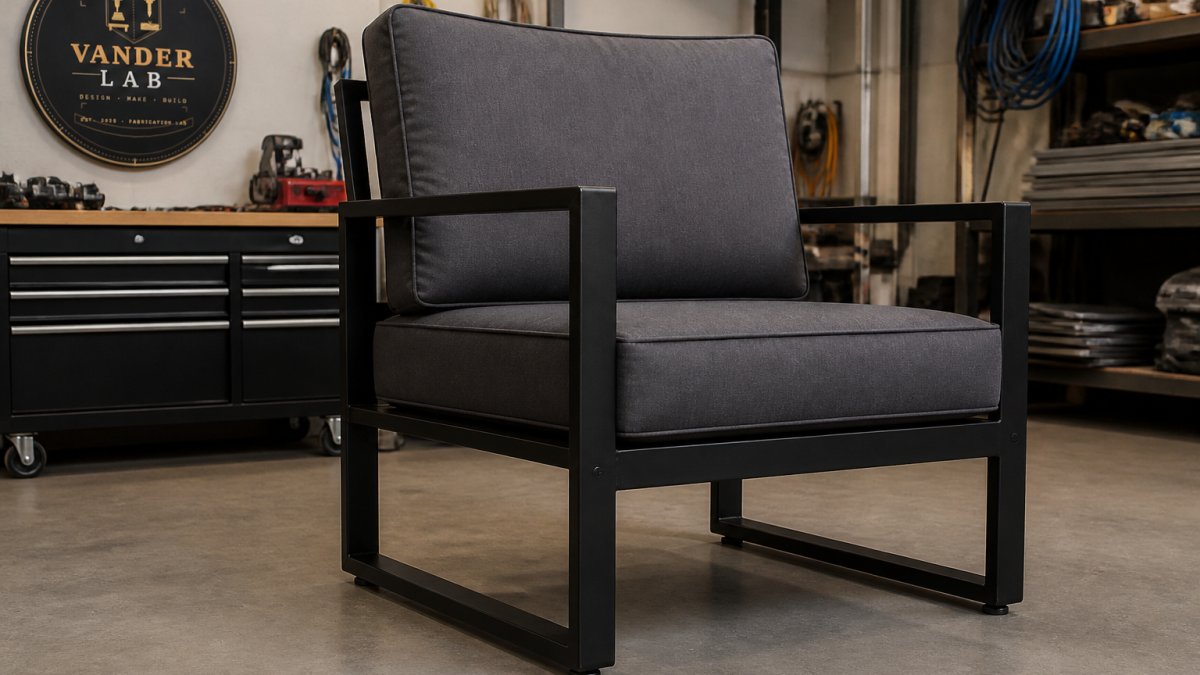
If you're building a one-of-a-kind custom piece from precision-machined or CNC-routed metal, powder coating protects your investment and ensures it looks intentional and well-made for the long term. The finish is uniform, durable, and available in virtually any color or texture you want.
The trade-off is real: powder coating costs more upfront, it's harder to repair, and it requires outsourcing to a specialized finisher. If you need flexibility to touch up, modify, or repaint the piece later, traditional paint might be the better choice.
At VanderLab, we work with clients on both sides of this decision. Browse our eBay Shop to see examples of finished metal work, or reach out with questions about your specific project.
Frequently Asked Questions
What are the downsides of powder coating?
Powder coating has a higher upfront cost than traditional paint and requires specialized equipment and expertise to apply correctly. Once applied, it cannot be easily touched up or repaired in small areas without refinishing the entire piece. The process also requires proper surface preparation, and some complex metal shapes may be difficult to coat evenly. Additionally, if you want to change colors or finishes later, complete recoating is necessary rather than a simple paint-over.
Is powder coating better than paint for outdoor metal furniture?
Powder coating offers superior durability for outdoor metal furniture compared to traditional paint. It creates a thicker, more uniform protective shell that resists scratches, chips, and fading better than liquid paint. The finish bonds to the metal through heat curing, creating a harder surface. However, paint can be easier to touch up and repair later. For furniture exposed to harsh weather or heavy use, powder coating typically provides longer-lasting protection and requires less maintenance over time.
How long does powder coating last on metal furniture?
Powder-coated metal furniture can last for many years with proper maintenance, depending on environmental conditions and use. The finish resists fading, chipping, and corrosion better than paint, making it ideal for outdoor or high-traffic applications. In harsh coastal or industrial environments, the lifespan may be shorter. Regular cleaning and protection from extreme conditions help extend the finish's life. The exact durability depends on the coating thickness, metal type, and how well the furniture is maintained.
Can powder coating be repaired if it chips or scratches?
Unlike paint, powder coating cannot be easily touched up or blended for small repairs. If the finish chips or scratches, the affected area will show bare metal or primer underneath. Full recoating of the entire piece is typically required to restore the finish properly. Some powder coating providers offer touch-up services, but these may not match the original finish perfectly. This is an important consideration when deciding between powder coating and paint for custom furniture you may want to repair in the future.
The question isn't whether powder coating is worth it in general, it's whether it's worth it for your specific piece, your timeline, and your budget. If durability and appearance matter most, it almost always is. If you want flexibility and lower upfront costs, paint remains a solid alternative. Either way, the finish you choose should match the care you're putting into the custom fabrication itself.