 how-to
Ensure Quality Personalized Gifts From New Online Shops
Table of Contents
- Why Quality Matters When Ordering Personalized Gifts Online
- Questions to Ask Custom Gift Makers Before You Order
- Signs of Quality Craftsmanship in Custom Goods
- Evaluating Vendor Reputation and Customer Support
- Red Flags: What to Watch Out For
- Digital Proofing and Verification Before Production
- Return Policies and Post-Purchase Care Instructions
- Frequently Asked Questions
Last Updated: September 29, 2026
Why Quality Matters When Ordering Personalized Gifts Online
Ordering quality personalized gifts from a new online shop feels risky. You're trusting someone you've never met to get your vision right, the spelling, the materials, the finish. One mistake and your gift arrives damaged, misspelled, or nothing like what you imagined. The good news: you can protect yourself by asking the right questions upfront and knowing what to look for in a maker's process.
Quality personalized gifts aren't about luck. They're about a maker who has systems in place, digital proofing before production, clear communication about materials, and honest answers when you ask how they handle problems. At VanderLab and Carolina Crafted Van, we've built our reputation on precision and transparency.
This guide walks you through exactly how to assess a custom gift maker before you place your order. We'll cover the questions to ask, the red flags to watch for, and the signs that tell you a maker takes craftsmanship seriously.
Questions to Ask Custom Gift Makers Before You Order
Before you commit to an order, reach out directly. The way a maker responds tells you a lot about how they'll handle your project.
Processing Time and Lead Times
Ask how long the production cycle takes from order to shipment. A clear answer matters, vague timelines are a warning sign.
Most custom makers need time to design, fabricate, and inspect. Processing time depends on complexity and current workload. Some makers have a standard lead time (like 2-3 weeks). Others adjust based on what you're ordering. The key is getting a specific answer, not "it depends."
Ask follow-up questions:
- Does the timeline include proofing time?
- Can they rush an order if you need it faster?
- What happens if they miss their stated deadline?
A maker who gives you a realistic timeline and sticks to it has systems in place. One who dodges the question or keeps changing the estimate is a red flag.
Material Selection and Durability Standards
Ask what materials they use and why. This is where precision matters.
Quality makers can explain the difference between materials. They understand that certain woods hold engraving better than others. They can tell you how long a piece will last and what care it needs.
Ask specifically:
- What material options do you offer?
- How durable is each option?
- Will the engraving fade or wear over time?
- Do you test materials for durability?
If a maker can't explain why they chose their materials, that's a sign they haven't thought through quality. A good maker has tested their approach and can back it up.
Quality Assurance and Proofreading Processes
Ask how they catch mistakes before shipping. Every step matters, spelling errors, misaligned designs, color mismatches.
A solid quality assurance process includes:
- Digital proofing (showing you a mock-up before production)
- Physical inspection after fabrication
- A second set of eyes on spelling and design details
Ask directly:
- Do you send a digital proof before you start production?
- How do you catch spelling mistakes?
- What happens if there's an error when the order arrives?
Makers who skip digital proofing are gambling with your order.
Signs of Quality Craftsmanship in Custom Goods
You can spot a quality maker by looking at their work and how they talk about it.
Portfolio Review and Design Accuracy
Look at their previous work. Ask to see examples of personalized gifts similar to what you want.
A strong portfolio shows:
- Clean, precise work (no rough edges or sloppy finishes)
- Consistent quality across multiple pieces
- Attention to detail in engraving, printing, or embroidery
- Examples of custom orders that match what the customer requested
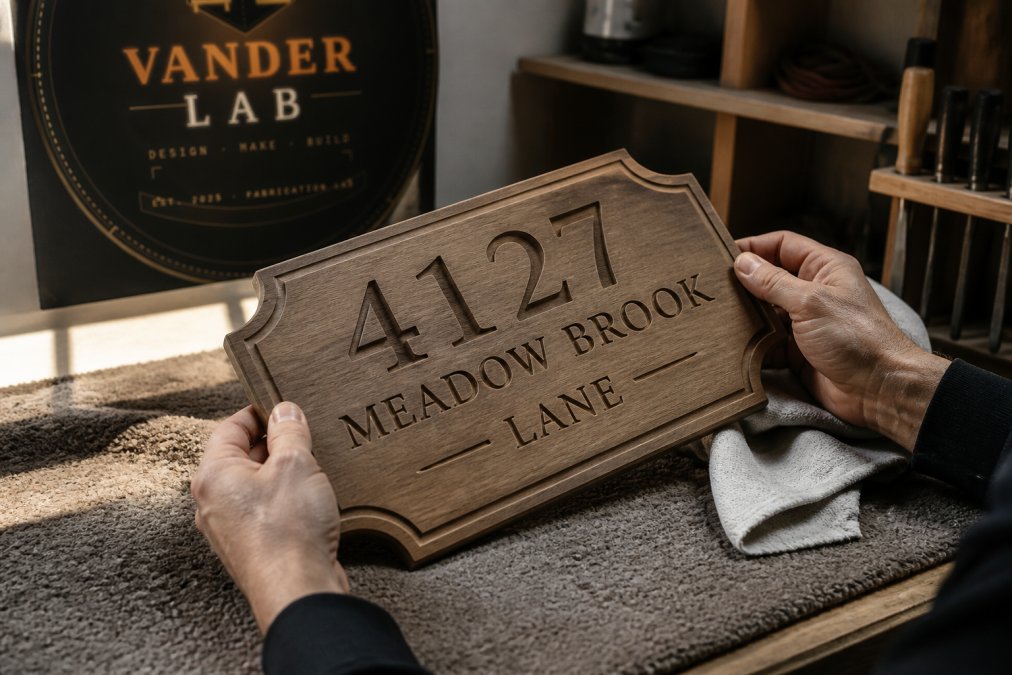
When you look at their work, ask yourself: Would I be happy if my order looked like this? If the answer is no, keep looking.
Pay attention to how they describe their work too.
Transparency in the Fabrication Process
Good makers are open about how they work. They explain their process, their tools, and their standards.
This might mean:
- Showing photos or videos of their workshop
- Explaining what CNC routing or laser engraving means
- Being honest about what's hand-done versus machine-done
- Sharing why they chose certain equipment or techniques
Evaluating Vendor Reputation and Customer Support
Before you order, check what other customers say. But don't just look at star ratings, read the actual reviews.
Good reviews mention specifics:
- "The engraving was crisp and clear"
- "They responded to my question within a day"
- "The package arrived on time"
- "I asked for a change and they fixed it without complaint"
Red Flags: What to Watch Out For
Some warning signs should make you hesitate before ordering.
No digital proofing. If a maker won't show you a mock-up before production, you're taking a big risk. Mistakes caught early are free to fix. Mistakes caught after production cost time and money.
Digital Proofing and Verification Before Production
Here's what to expect:
A quality maker will send you a digital image or file showing exactly what your order will look like. This includes spelling, layout, colors, and placement. You review it. You catch any mistakes. The maker fixes them. Then production starts.
When you review a proof, check:
- Spelling (every letter, every word)
- Design placement and alignment
- Colors and finishes
- Size and proportions
- Any special details you requested
Return Policies and Post-Purchase Care Instructions
Before you order, understand what happens if something goes wrong, and what you need to do to keep the gift in good condition long after it arrives.
Return and Replacement Policies
A solid return policy covers:
- Defects in materials or fabrication (cracks, breaks, rough edges, misaligned cuts)
- Errors made by the maker (wrong spelling, wrong color, wrong size, design placed off-center)
- Damage during shipping (dents, breaks, color fading from exposure)
- A clear timeline for reporting issues (typically 30 days from delivery)
The policy should spell out whether the maker will replace the item, refund your money, or offer a credit. Makers who stand behind their work are confident in their quality.
Ask these questions before you order:
- What's your return window? (30 days is standard; some makers offer longer.)
- Do you cover shipping for returns or replacements?
- What counts as a defect versus normal wear?
- If you remake the piece, how long does the replacement take?
- Do you offer refunds, replacements, or store credit?
Post-Purchase Care: The Durability Multiplier
Here's what most guides miss: how you care for a personalized gift after it arrives directly affects how long it lasts. A maker who provides detailed care instructions is telling you they've thought about longevity. They want your gift to age well.
Different materials require different care:
Engraved or routed wood:
- Dust with a soft, dry cloth regularly.
- Avoid prolonged direct sunlight (UV fades the wood and lightens engraved areas).
- Keep away from heat sources and humidity extremes (wood expands and contracts with moisture).
- If the piece is oiled or waxed, reapply finish annually or as needed to maintain water resistance.
- Never use harsh cleaners or solvents; they can strip finish and darken wood.
3D-printed pieces:
- Keep away from direct sunlight (UV causes yellowing and brittleness, especially in PLA).
- Avoid heat above 140°F (60°C) for PLA, higher for PETG (heat causes warping and degradation).
- Don't place near heating vents, radiators, or sunny windowsills.
- Clean with a soft, dry cloth or mild soap and water; avoid abrasive scrubbing.
- Handle carefully, 3D prints are durable but can crack if dropped or stressed.
Laser-engraved metal:
- Wipe with a soft cloth to remove dust and fingerprints.
- For anodized aluminum or powder-coated finishes, avoid harsh chemicals.
- For bare or lightly finished metal, occasional light oiling prevents oxidation.
- Keep away from salt air or high-moisture environments if not sealed (brass and steel will tarnish or rust).
Embroidered or printed items:
- Wash gently in cool water; avoid bleach and hot water.
- Air dry away from direct heat and sunlight.
- Iron on low heat if needed, on the reverse side.
- Store in a cool, dry place away from direct light to prevent fading.
Frequently Asked Questions
What questions should I ask a maker before placing a custom order for personalized gifts?
Ask about processing time and lead times, the specific materials they use and their durability standards, their quality assurance and proofreading process, whether they provide digital mock-ups or proofs before production, their return and refund policies, and how they handle corrections if there's an error. Request examples of completed orders similar to what you want. Ask about shipping speed, order tracking, and post-purchase care instructions. The maker's willingness to answer these questions thoroughly signals their commitment to craftsmanship.
How can I tell if a personalized gift is built to last?
Examine the maker's portfolio for consistency in finish quality and attention to detail. Look for hand-finishing touches that show they care about durability, not just speed. Ask about the specific materials and whether they've been tested for longevity. Check customer reviews for mentions of how products hold up over time, especially after use or washing. A maker who discusses material selection and explains why they chose certain finishes for durability is more credible than one who glosses over these details.
What are the red flags of a low-quality online gift shop?
Watch for makers who won't provide digital proofs before production, rush you through the ordering process, or avoid answering questions about materials and durability. Vague descriptions, no portfolio examples, or generic product photos are warning signs. Be cautious if they don't offer a clear return policy or refuse to discuss their quality assurance process. If customer reviews mention spelling errors, poor finishing, or durability problems, that's a significant red flag. Lack of transparency about lead times or production methods suggests they may cut corners.
How important is the fabrication process for ensuring gift durability?
The fabrication process directly determines how long a gift lasts. Hand-finishing, precision cutting on a CNC router with tight tolerances, and careful material selection all contribute to durability. A maker who explains their process, whether they're using 3D printing, laser engraving, or CNC routing, shows they understand how each method affects the final product's longevity. Bespoke craftsmanship that includes multiple quality checkpoints throughout production results in gifts built to last, not items that fall apart after a few months.